



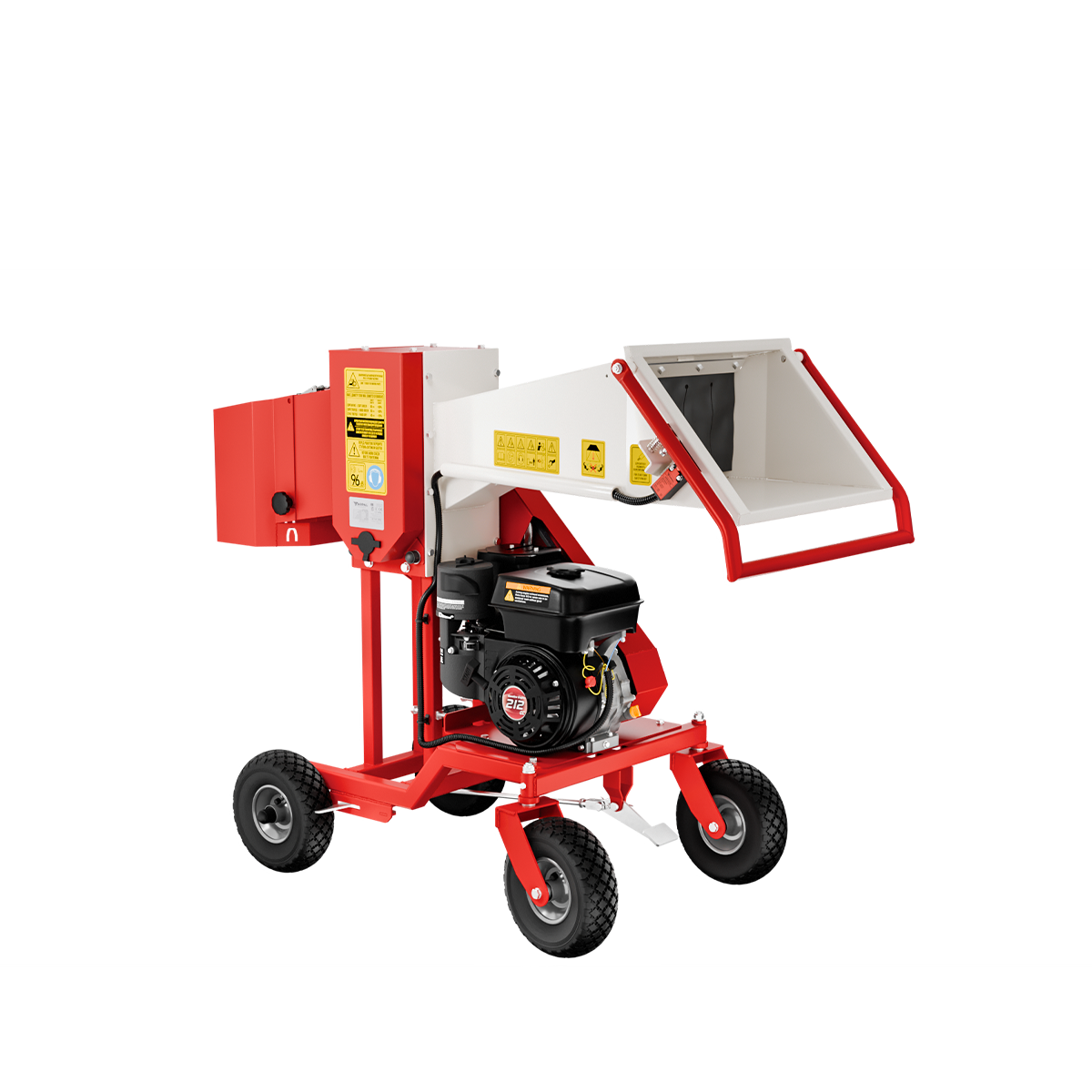
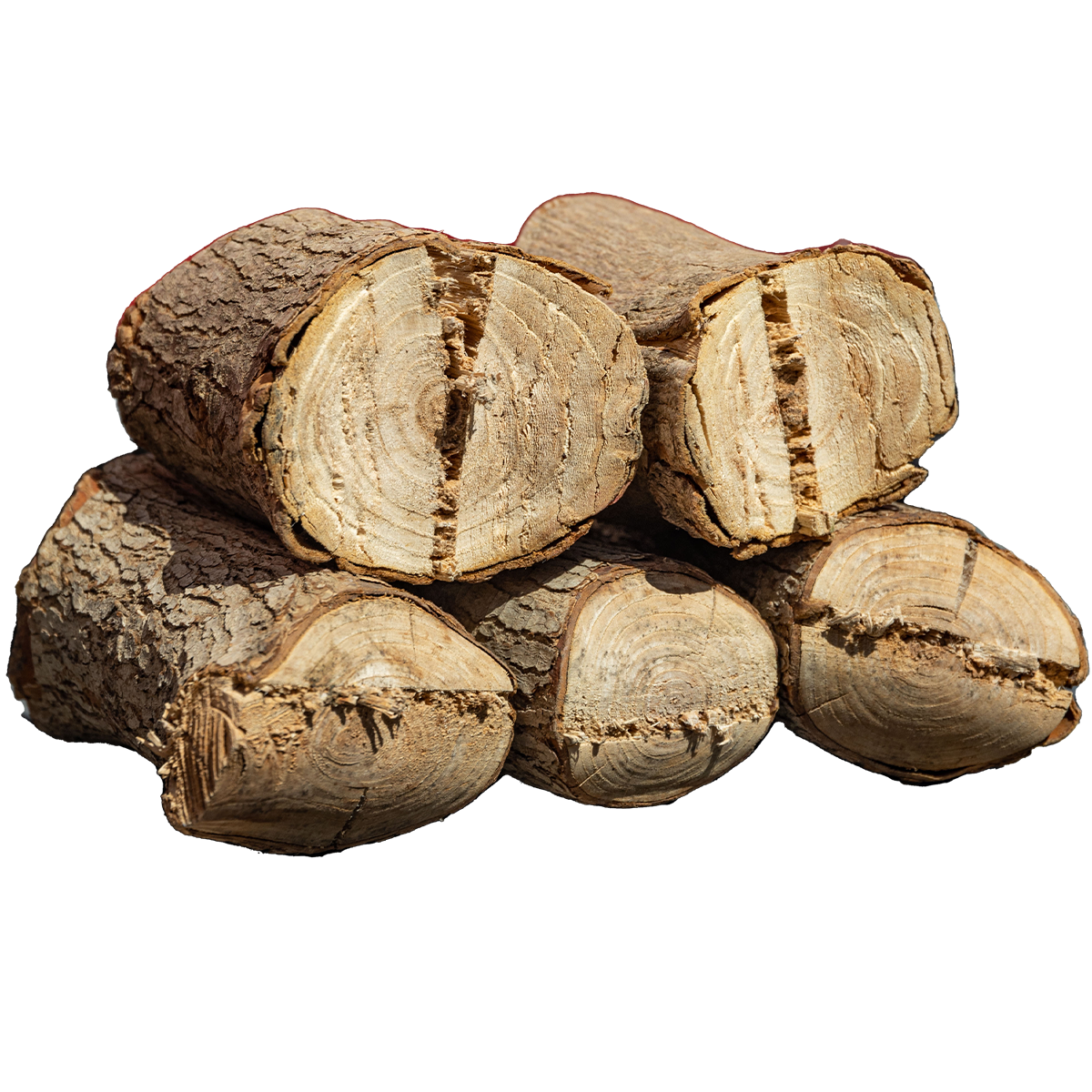
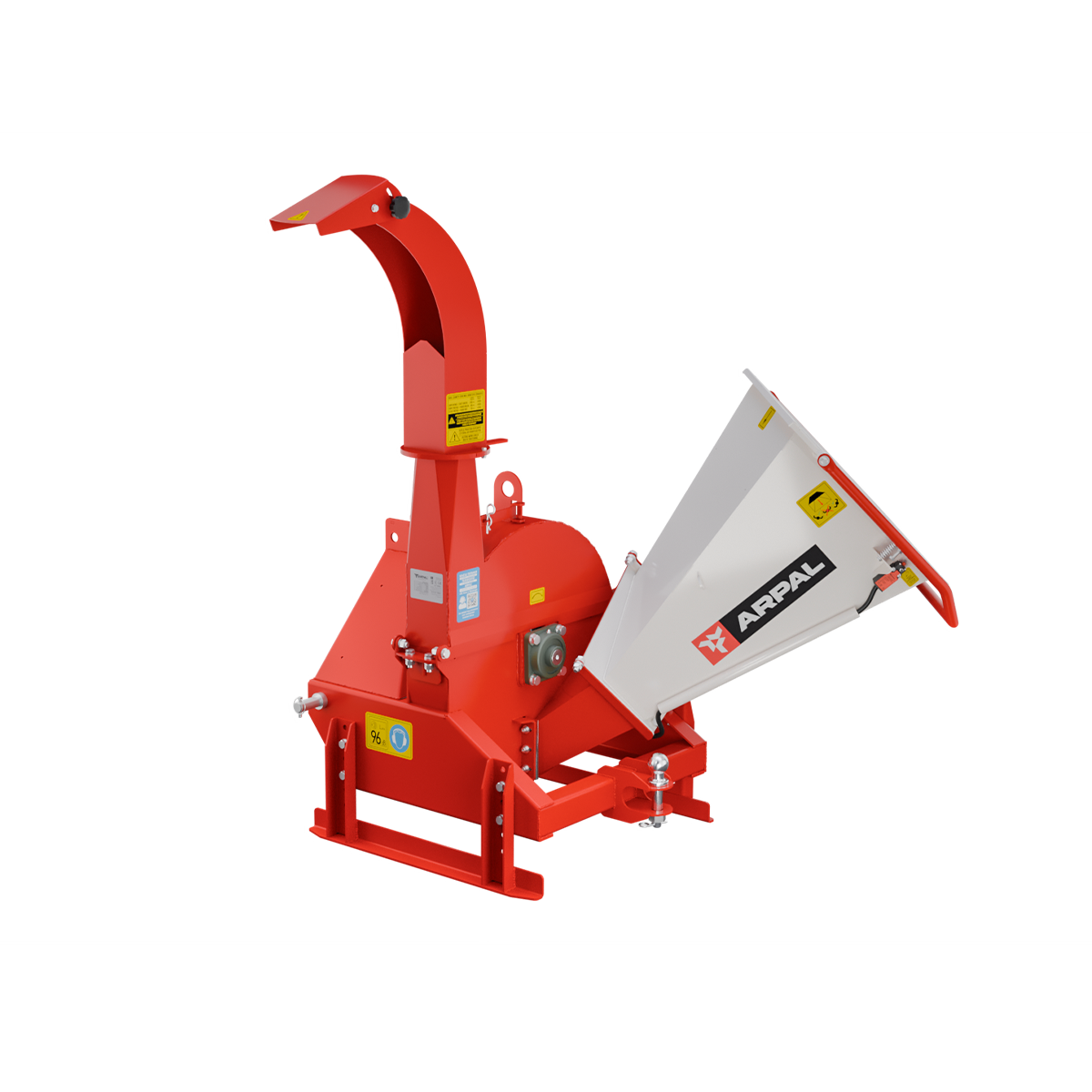

ARPAL wood chippers process branches into pieces of wood that can be used as fuel. The range includes gasoline models and chippers driven by a tractor PTO. When choosing a model, consider the diameter of the branches to be chipped, the planned volume of work and the preferred drive type.
Wood Chippers
0%
Installment Plan
25%
Compensation
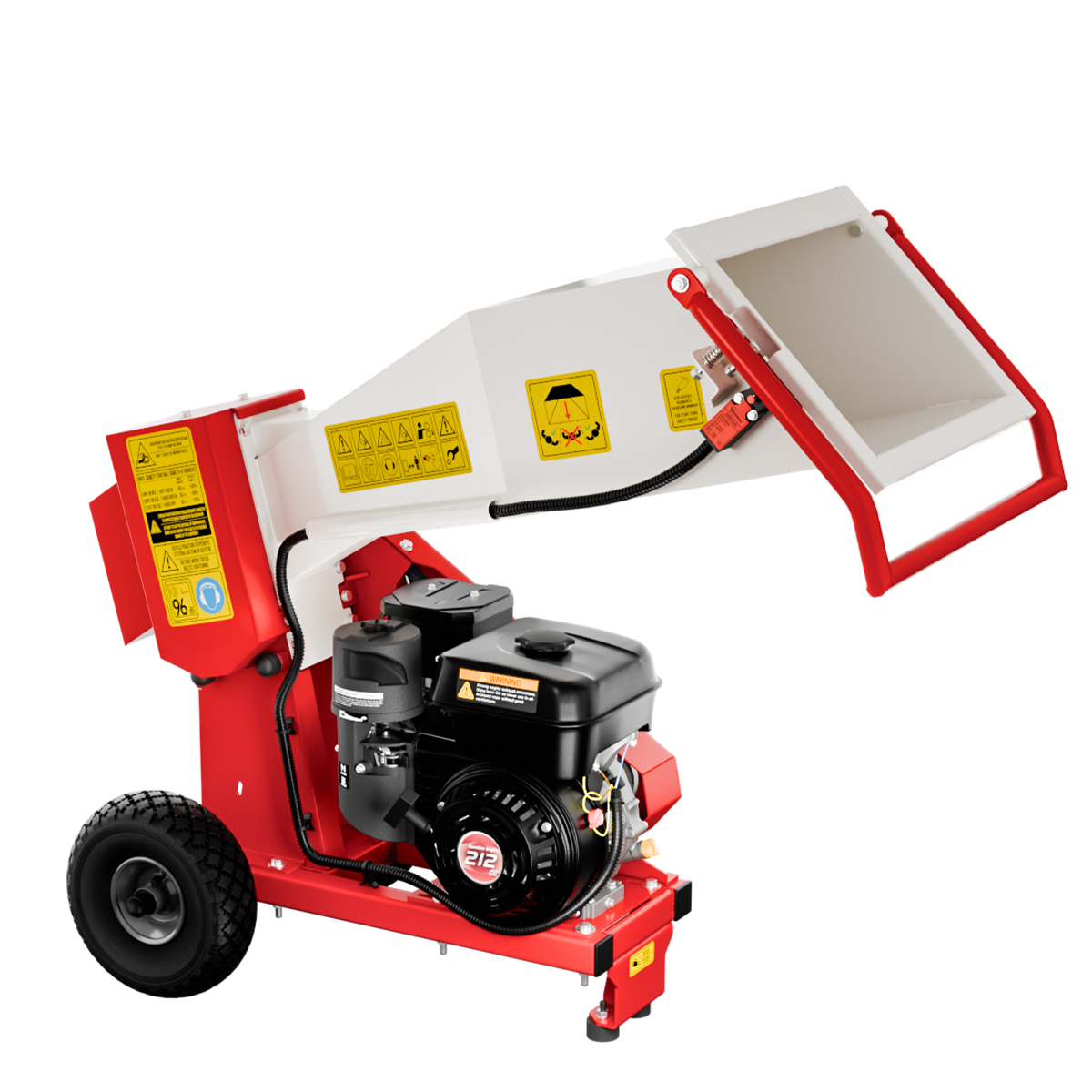
Wood chipper ARPAL Light
with a gasoline engine
49 500₴
47 000₴

0%
Installment Plan
25%
Compensation
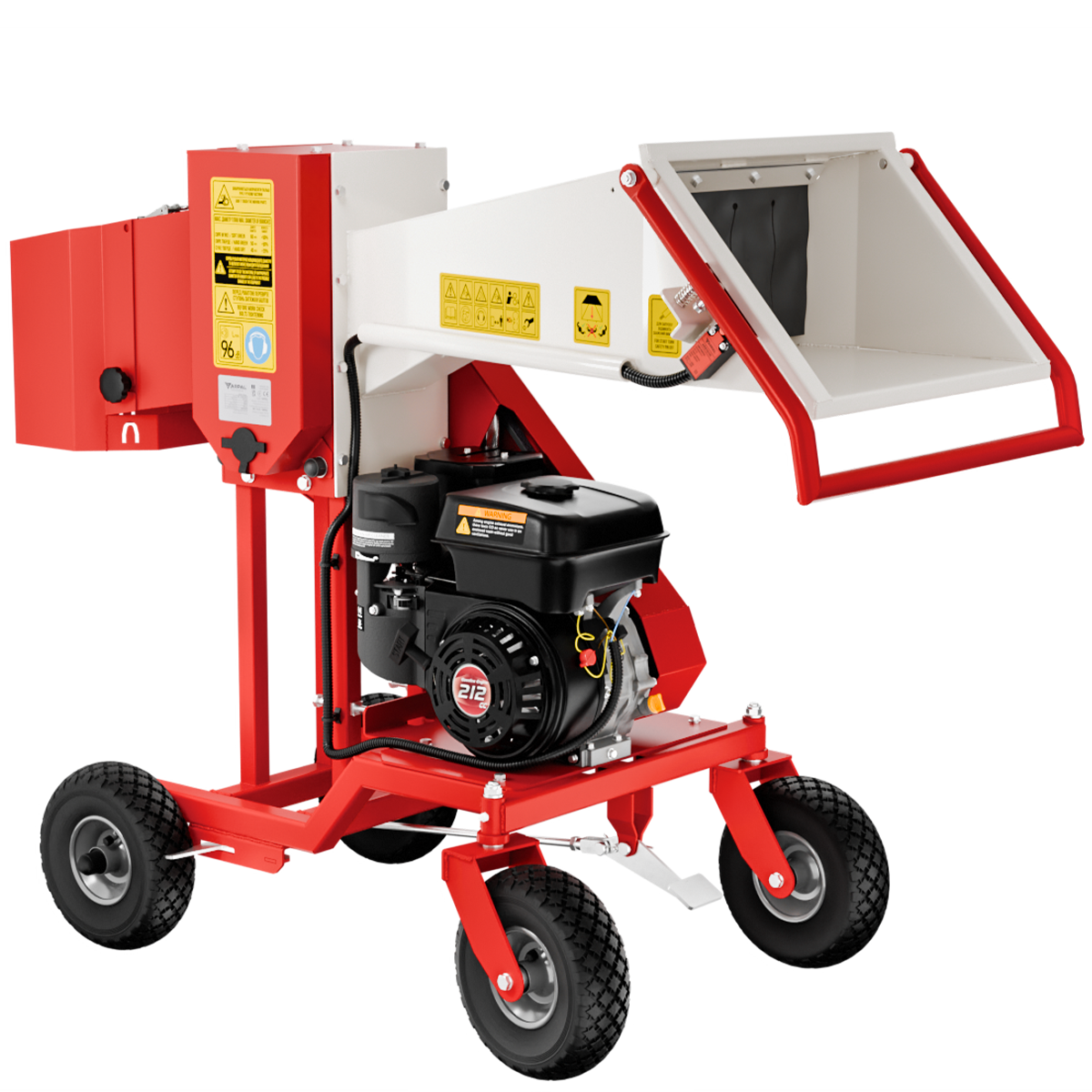
Wood chipper ARPAL PRO
with a gasoline engine on wheels
175 000₴
0%
Installment Plan
25%
Compensation
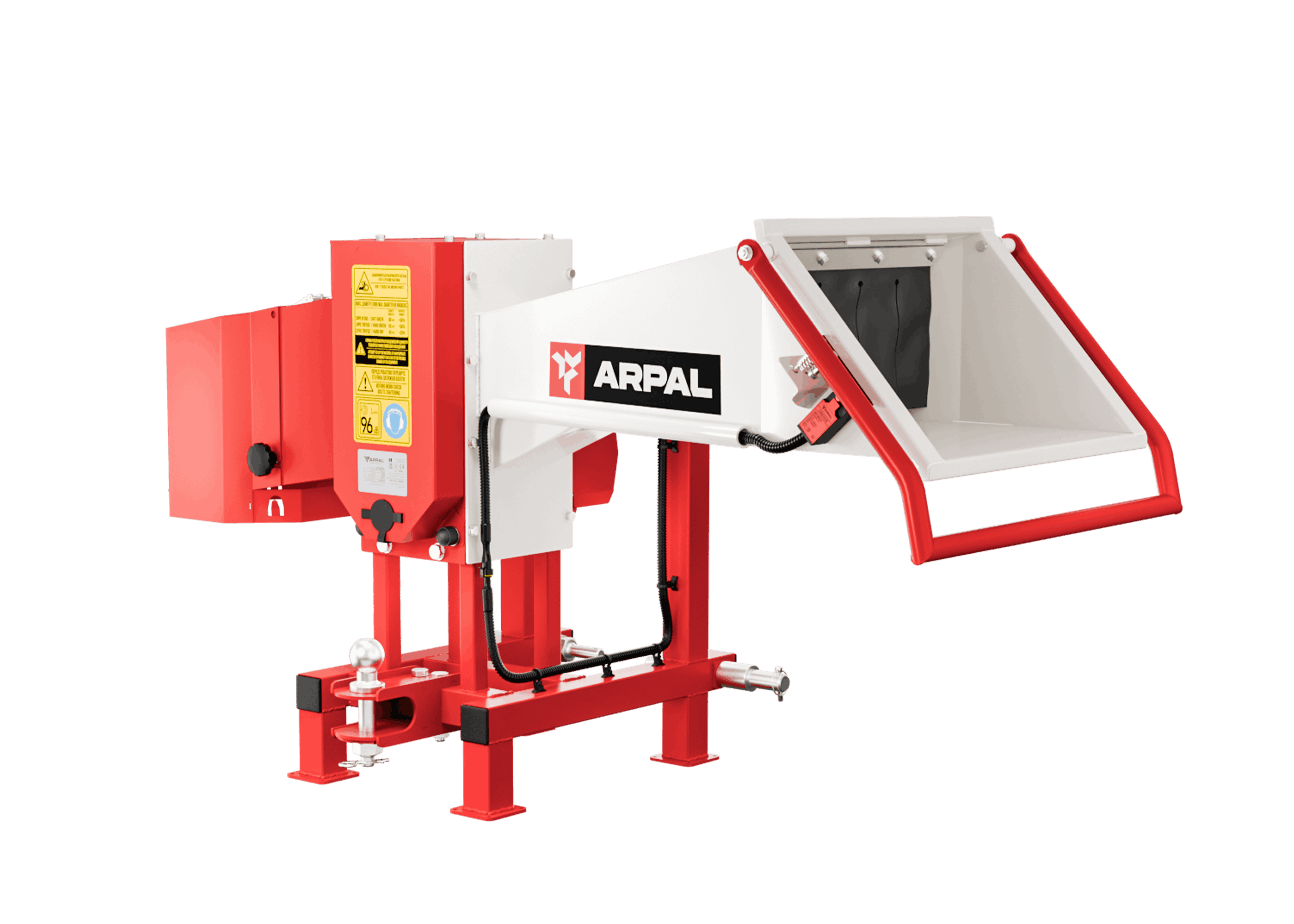
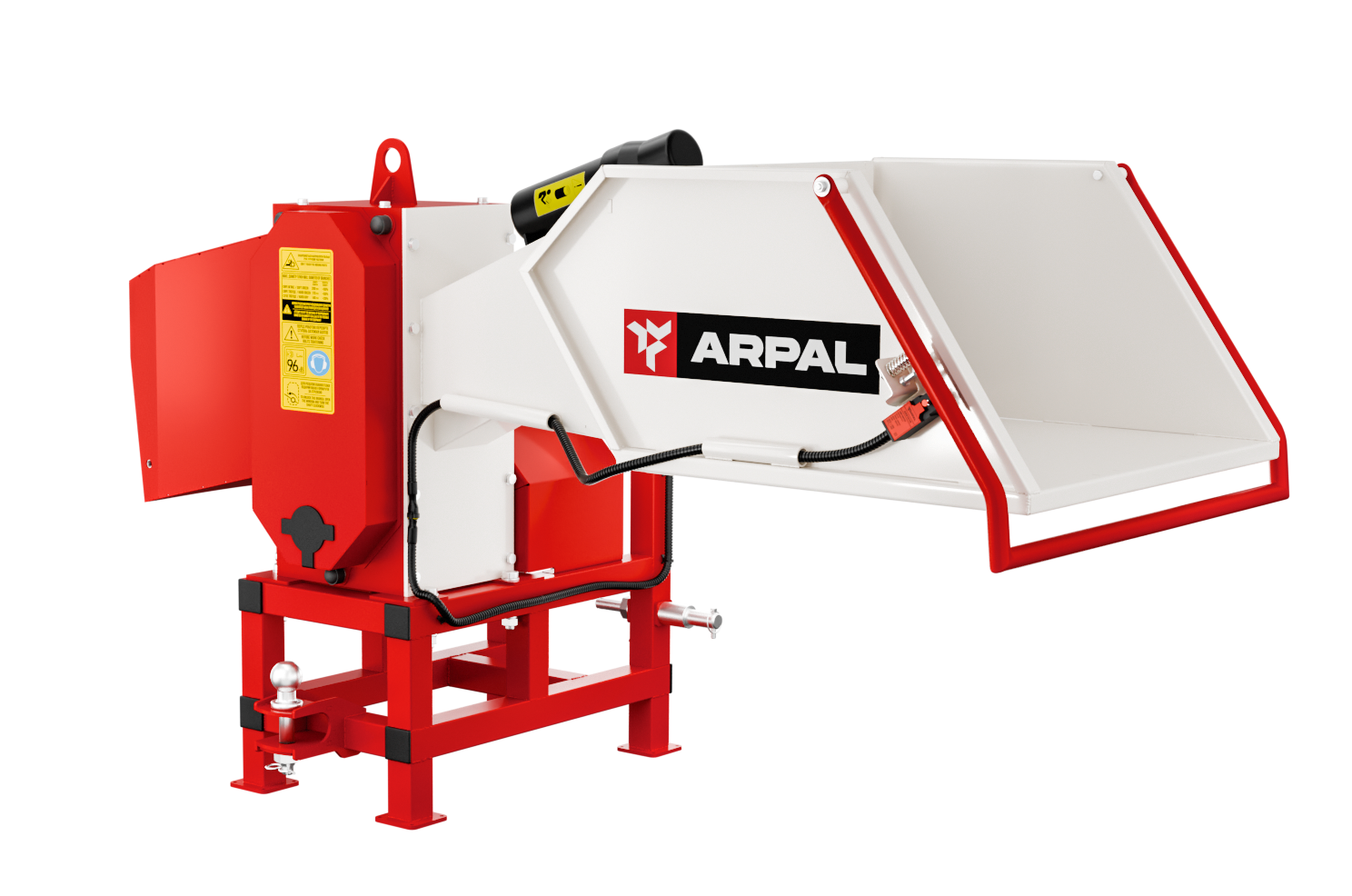
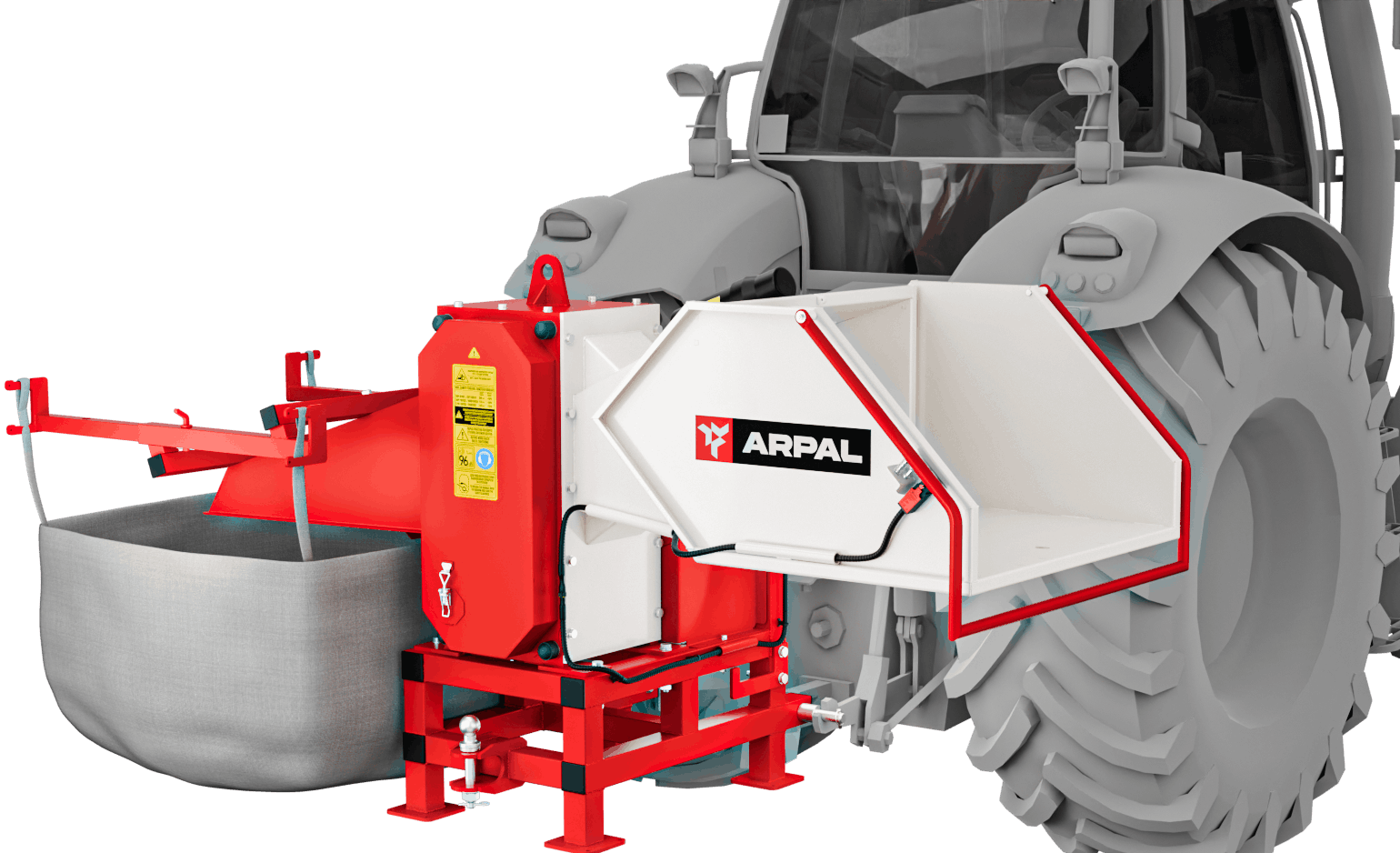
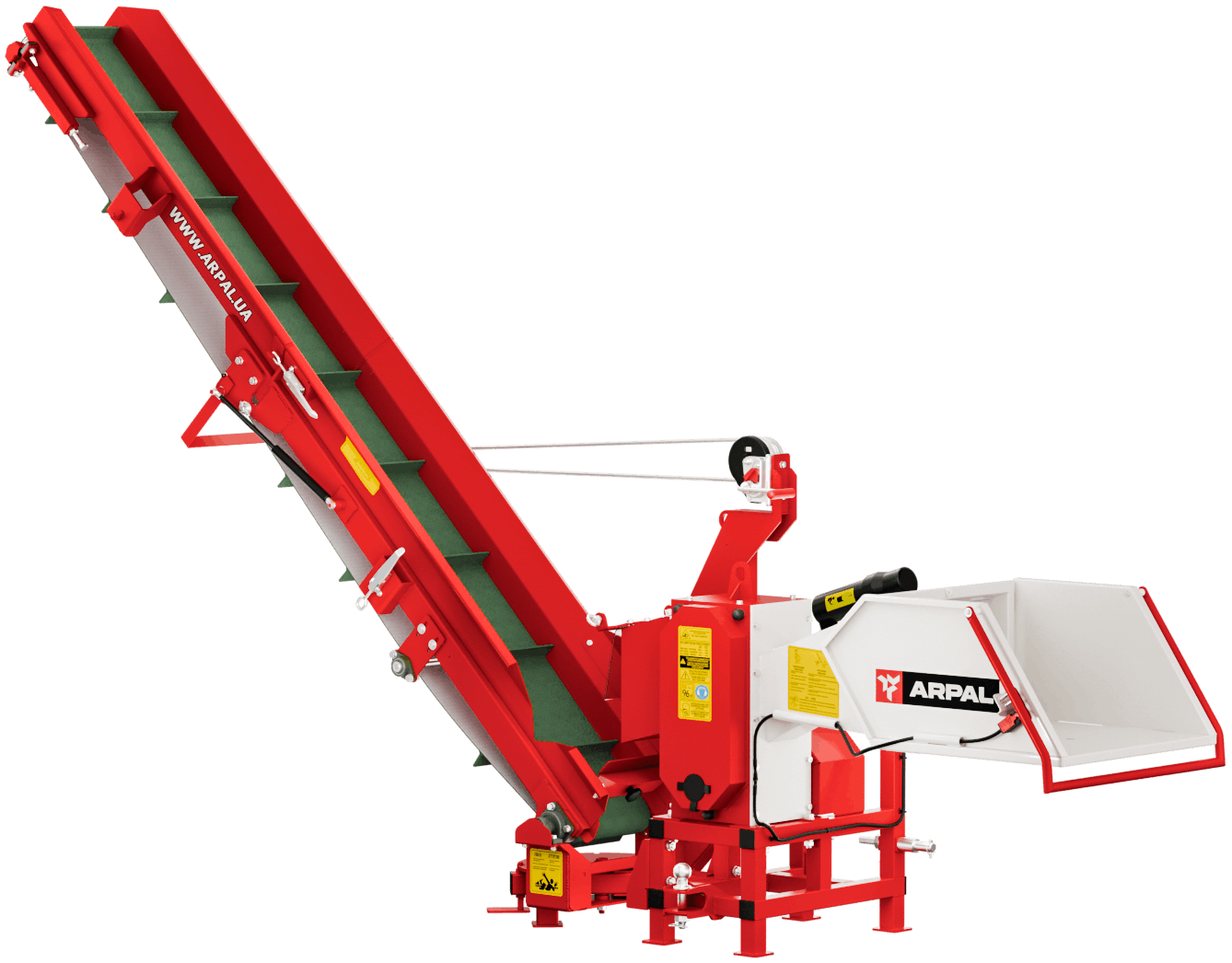
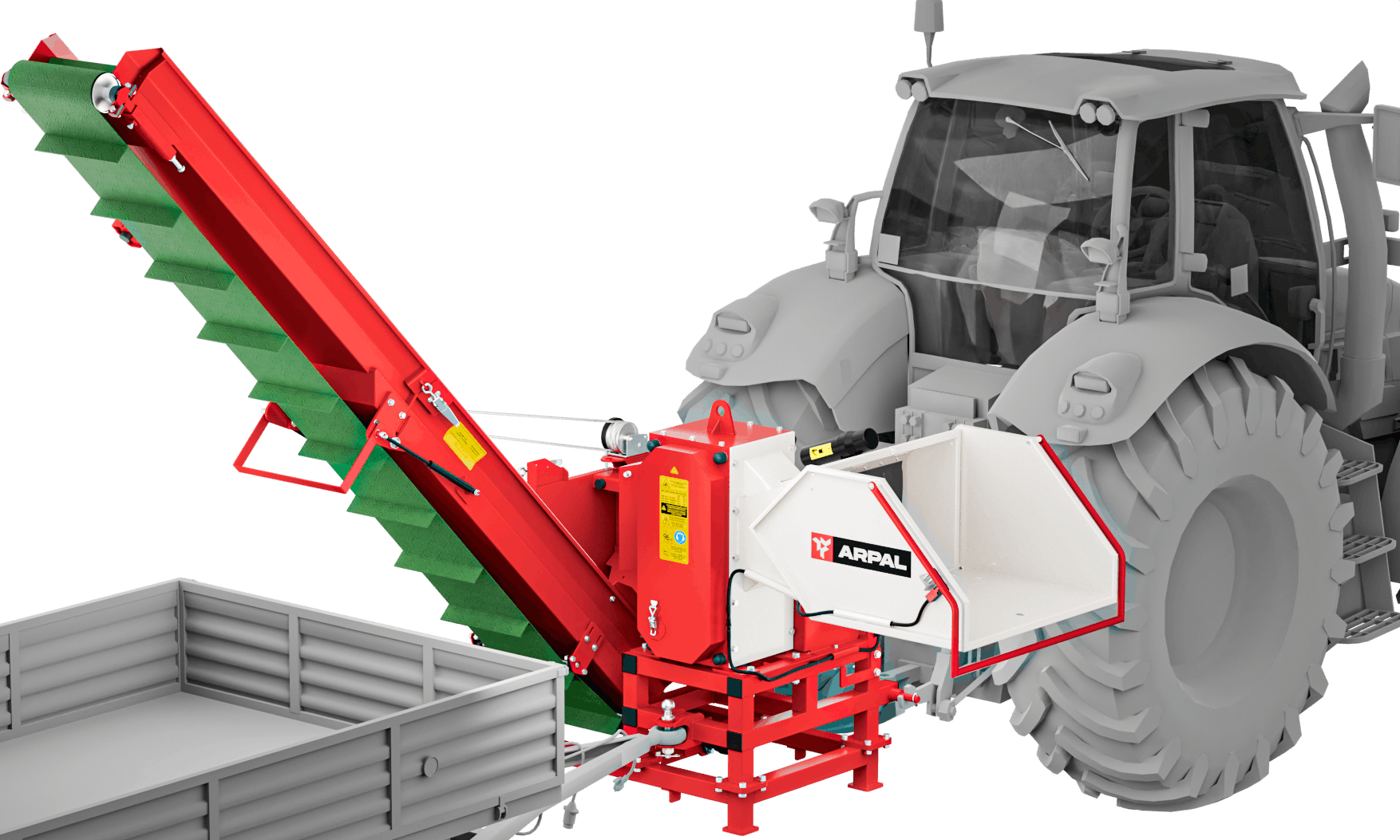
Wood chipper ARPAL PRO
for a tractor with a transporter
199 000₴


How to choose a wood chipper
Wood diameter and condition
To choose the optimal chipper model, determine which branches you will process most often. Take into account the thickness, species and density of the wood. The maximum branch diameter a chipper can handle depends on the specific model and differs for softwood and hardwood.
Volume and frequency of work
Estimate the amount of branches to be processed and how often the work will be done. Seasonal garden maintenance and regular processing of large volumes of raw material require models with different power and productivity. The actual result also depends on the wood species, branch diameter and how the branches are fed into the chipper.
Drive type
Gasoline chippers operate autonomously, while PTO-driven models are worth considering if your farm has a tractor with suitable specifications. Before choosing a PTO-driven model, check the tractor power requirements and the hitching method.
Comparison of ARPAL wood chippers
| Model | Drive type | Max. branch diameter, mm: softwood / hardwood | Max. productivity, m³/h | Product page |
|---|---|---|---|---|
| ARPAL Light | Gasoline | Up to 60 mm for softwood Up to 50 mm for hardwood | 2 m³/h | view |
| ARPAL Classic | Gasoline | Up to 80 mm for softwood Up to 60 mm for hardwood | 4 m³/h | view |
| ARPAL Classic | Tractor PTO | Up to 80 mm for softwood Up to 60 mm for hardwood | 4 m³/h | view |
| ARPAL PRO | Tractor PTO | Up to 120 mm for softwood Up to 100 mm for hardwood | 6 m³/h | view |
| ARPAL PRO | Gasoline | Up to 120 mm for softwood Up to 100 mm for hardwood | 10 m³/h | view |
What you get after chipping
ARPAL wood chippers cut wood into separate pieces that can later be used on the farm. The size of the pieces depends on the chipper model, the wood species and its condition. That is why, before buying, it is worth checking the equipment specifications and looking at examples of its work.
If the wood is prepared for heating, take into account its moisture content and the requirements of your specific boiler or stove before use. Check the permissible fuel size, moisture requirements and loading method specified by the manufacturer of the heating equipment.
If you need wood chips, consider drum chippers. They are designed for a different type of wood processing, so the choice of equipment depends on the desired result and how the material will be used later.
Operating principle of a wood chipper
The working unit of a wood chipper is the cutting module. It consists of two plates with shafts fixed between them. The shafts are connected by gears that transmit power from the engine through the drive shaft to the working shafts of the chipper. Each working shaft carries three blades. While the engine is running, the working shafts rotate in opposite directions, pulling in and cutting the raw material at the same time.
Applications of wood chippers
Wood chippers can be used by:
- municipal services
- farms
- forestry enterprises
- arborists
- woodworking companies
- village and city councils
Wood chippers offer two methods of discharging the finished product:
- into an output hopper for packing into 50×80 cm mesh bags
- onto a conveyor that delivers the finished firewood into a vehicle body or a big bag
Chippers can be either mobile or stationary. For example, trailer-mounted machines can be transported directly to the cutting site, which significantly reduces the cost of transporting bulky raw material.
Safety system
We have carefully designed the safety system for working with our wood chippers: all infeed hoppers are built so that the operator physically cannot reach the cutting elements. In addition, some models are equipped with a special handle that stops the chipper when pressed. Transparent PVC curtains are installed inside the infeed hoppers to protect the operator from wood splinters during operation.
The quality of our wood chippers is our top priority in production. That is why we carry out full quality control at every stage of manufacturing. Metalworking is performed on modern CNC machines, all mating surfaces are ground, and the chippers are powder-coated.
Energy independence and practical benefits
Wood chippers are designed to simplify and make more affordable the processing of branches and other wood waste in order to reduce the use of gas and other natural resources that are becoming more expensive every day.
If you are choosing a wood chipper for regular work, consider the volume of raw material, the drive type and the required productivity. The price of the equipment depends on its configuration and technical specifications.
By purchasing an ARPAL wood chipper directly from the manufacturer, you receive an official warranty, service support and advice on choosing the right model for your specific operating conditions.
It is a reliable machine for chipping branches and processing wood, built for stable long-term operation.

