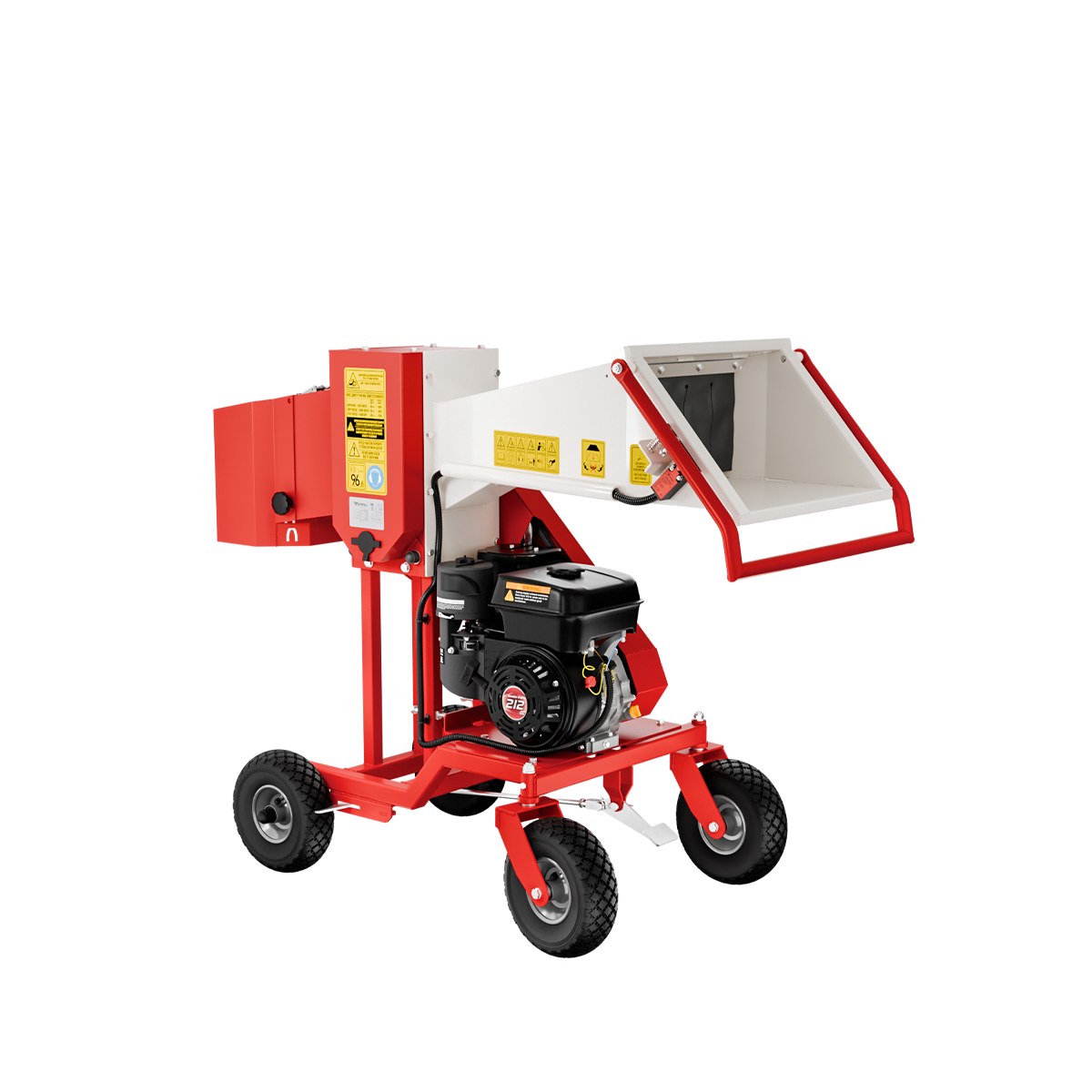
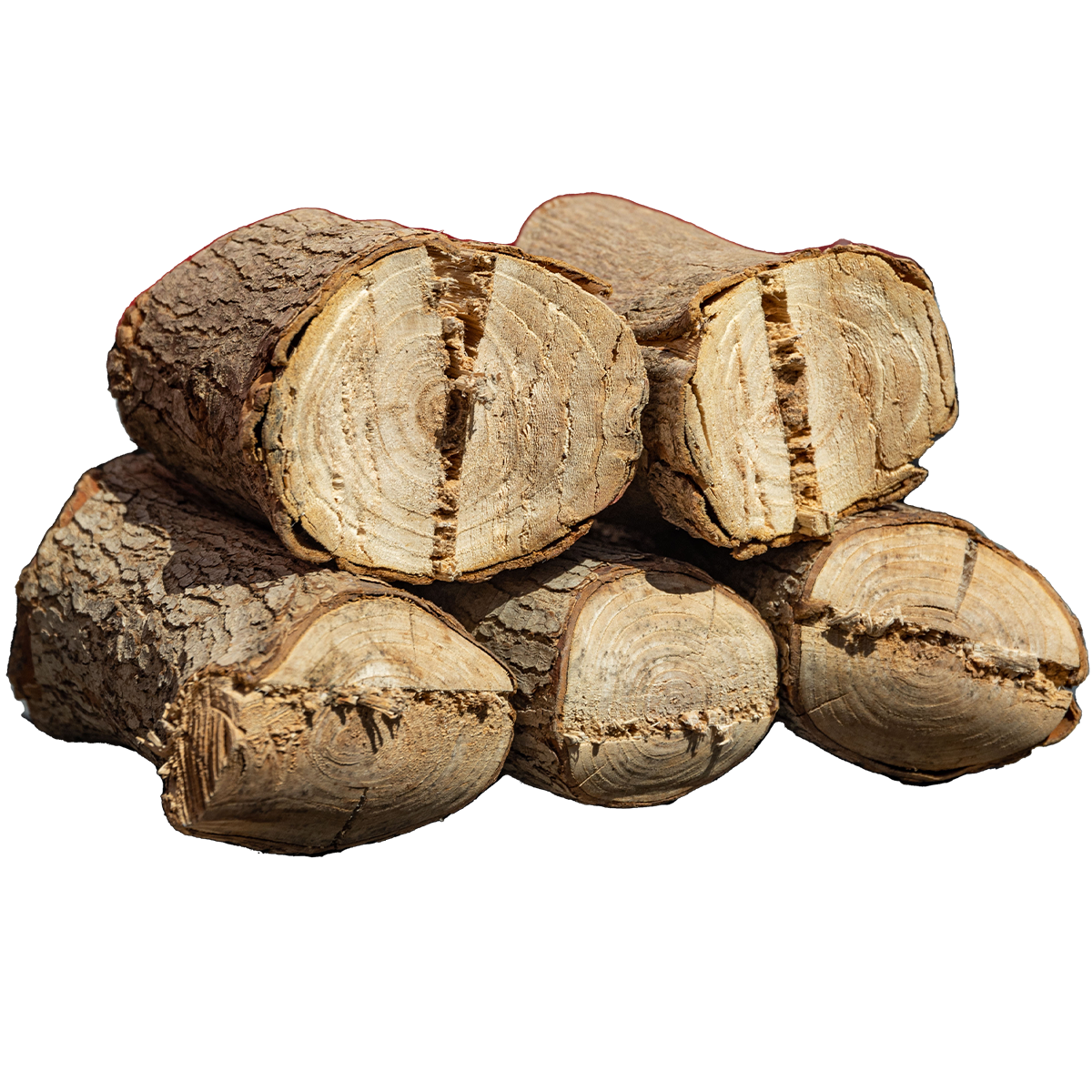
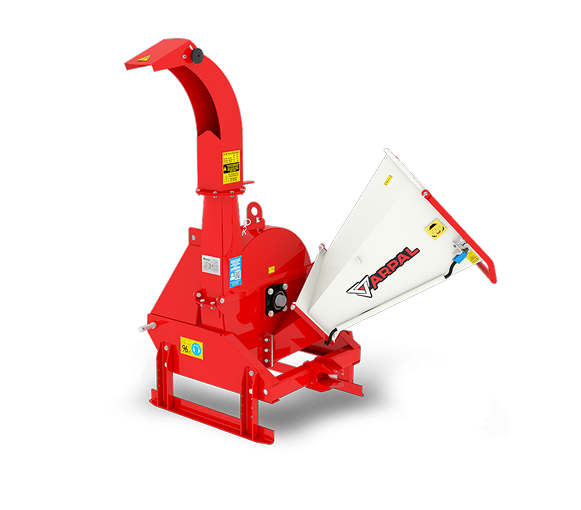
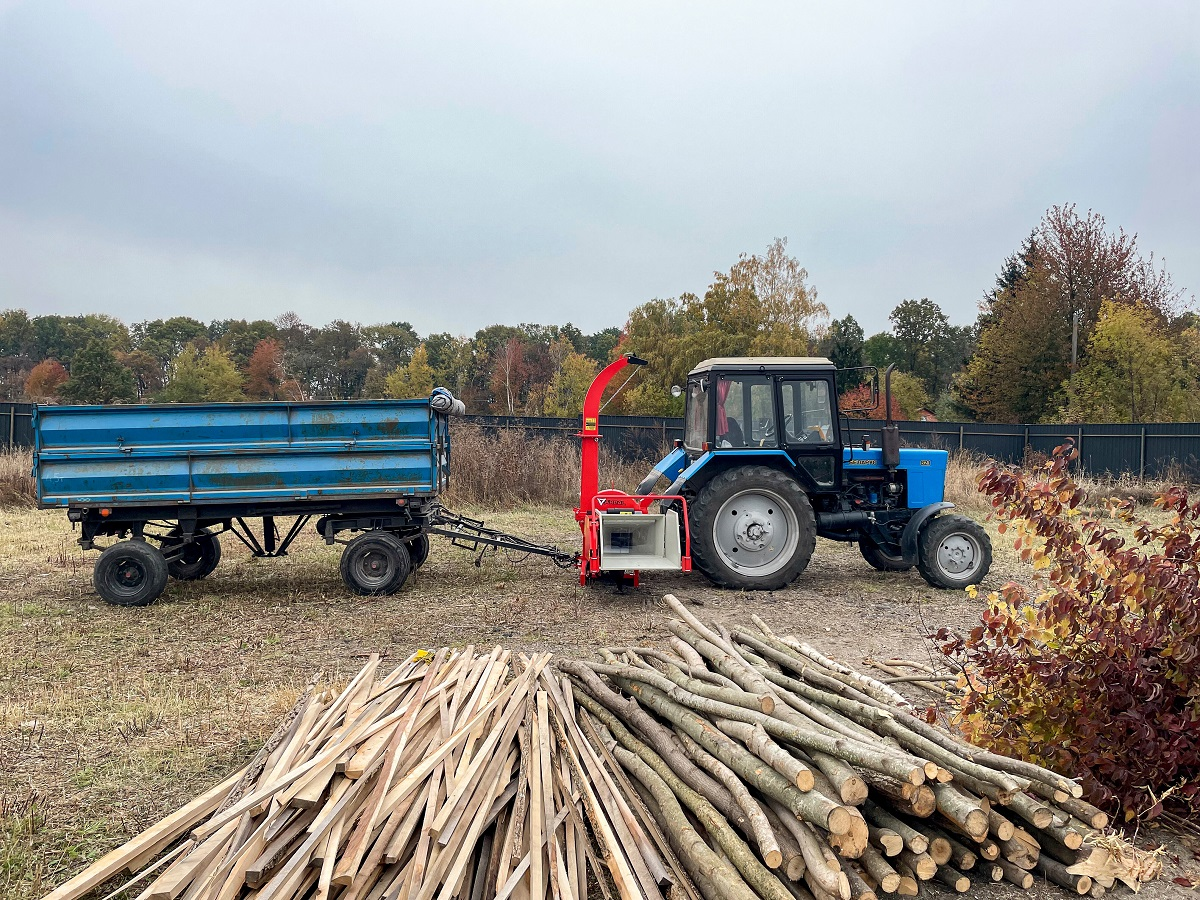
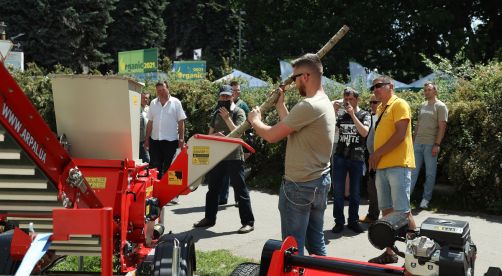
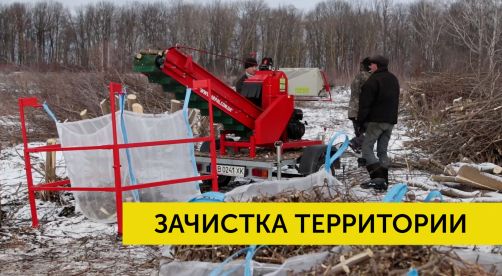
A tractor wood shredder is an attachment designed for processing wood waste (branches, shrubs, vines, and small wood residues) into technological or fuel wood chips. This equipment is especially useful for garden owners, farmers, municipal services, arborists, landscape designers, and private households.
If you already have a tractor, choosing a wood shredder is the logical next step. It turns your machine into a mobile wood processing unit. But the key question is: which tractor wood shredder should you choose? Some users work with branches up to 120 mm, while others need to process solid wood up to 180 mm in diameter. That’s why different models are designed for different tasks — from disc models for regular garden work to professional units with hydraulic feed and the ability to operate in a tractor + shredder + trailer setup. Let’s take a closer look at what to consider and how to choose the right model.
Power and PTO: how to find the perfect match
Unlike standalone machines, a tractor wood shredder does not have its own engine. It operates via a PTO shaft connected to the tractor’s power take-off. This makes it a cost-effective solution for those who already own a tractor. The most common mistake when buying is focusing only on the maximum branch diameter. In reality, your tractor always defines the limits.
Required tractor specifications:
When requirements and capabilities match, the shredder works as part of a system. It does not overload the tractor engine, does not push the PTO to its limits, and does not require frequent stops. A properly selected shredder turns exhausting waste disposal into a smooth технологічний process. You get not just a pile of processed wood, but high-quality chips (5–60 mm). Reliable equipment is the kind you forget about during work — you simply focus on the result.
What to consider: feed system and autonomy
One of the key factors when choosing a wood shredder is the feeding system and overall machine autonomy.
Wood shredder with hydraulic feed
In these models, branches are fed automatically into the cutting system. The operator controls the process using a handle: you can increase speed, stop feeding, or reverse it if needed. Speed is adjusted via a valve — thin branches are processed faster, thick ones slower. This ensures stable operation without overload. The system is autonomous and does not require the tractor’s hydraulic system. If you work in a team or have a constant flow of material, hydraulic feed significantly saves time and effort.
Wood shredder with Antistress system
The Antistress system monitors the load and automatically reacts when the engine approaches its limit. This prevents overload and excessive wear. These models are chosen when maximum productivity and autonomy are required. Antistress shredders are designed for intensive use on large sites, including forestry operations.
Blades — the core of every shredder
Tractor power only ensures operation, while productivity depends on blade quality. We use alloy tool steel AISI 4140 for blade production. The main issue with standard steels is that they are either too soft (wear out quickly) or too brittle (can break on hard knots). LineCut blades eliminate these problems thanks to a special manufacturing process:
- Combined strength: thanks to induction hardening, the cutting edge reaches 60 HRC, maintaining sharpness even when working with hardwoods like oak or acacia.
- Impact resistance: the inner core remains flexible, so the blade withstands heavy impacts without breaking.
- Wear resistance: AISI 4140 steel is designed for intensive use, allowing you to process more cubic meters between maintenance cycles.
When choosing a shredder, pay attention not only to the number of blades but also to the hardening method. A hard surface combined with a tough core is the only way to avoid microcracks and chipping.
Details that make work easier
For us, a wood shredder is not just metal and blades. It is a tool you will use daily. That’s why what others offer as extra features is standard for ARPAL:
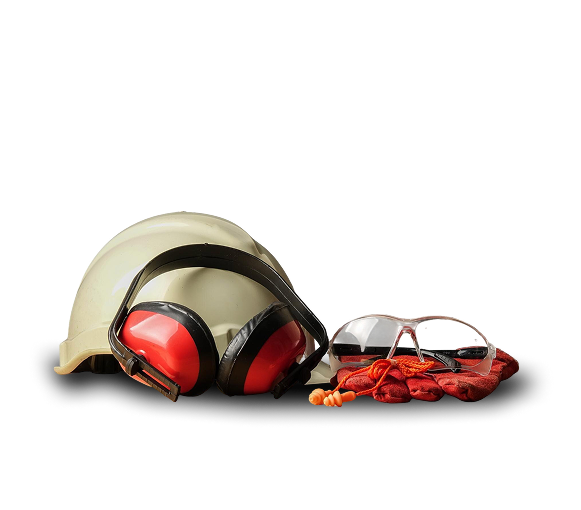
- All dangerous elements are covered with protective guards. Transmission components (couplings, belts, flywheels) are fully isolated.
- Controlled discharge: the chute is designed so that chips are ejected in one direction only, reducing injury risk.
- Protective curtains: the intake is equipped with a screen that prevents chips from flying toward the operator.
The appearance of equipment after 5 years matters as much as on day one. We use polymer powder coating applied electrostatically and cured at high temperature. This creates a durable protective layer that:
- does not fade in the sun and does not crack from vibration
- protects metal from corrosion even with constant contact with влажные chips
- maintains coating strength under mechanical impact
We know how frustrating it is to search for tools in the field. That’s why our shredders are designed so key components can be accessed manually. No tools are required for basic inspection or cleaning — ergonomic fasteners make access quick and easy.
Warranty and service
We are confident in our equipment, which is why we provide a 3-year warranty on all main components (excluding consumables). The engine has a separate 1-year manufacturer warranty. We even cover paint defects, because reliability should last for years. Post-warranty support is available throughout the product’s lifecycle — with ARPAL, you always have access to spare parts and service.
View all models in the ARPAL tractor wood shredders catalog.
Frequently asked questions
1. Is it suitable for a mini tractor?
Yes, we offer models designed for low-power machines. Pay attention to power requirements (minimum 24 hp).
2. What is the difference between a wood shredder and a wood chipper?
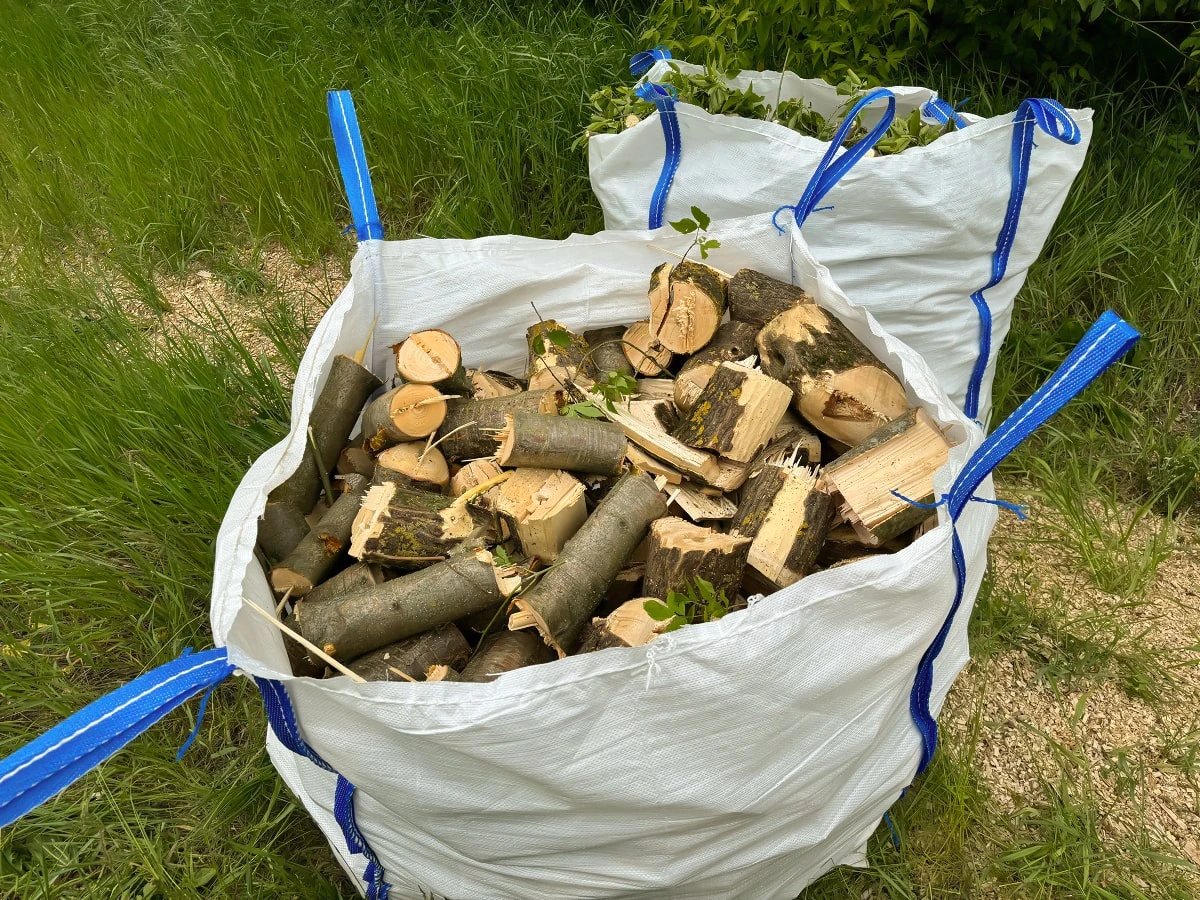
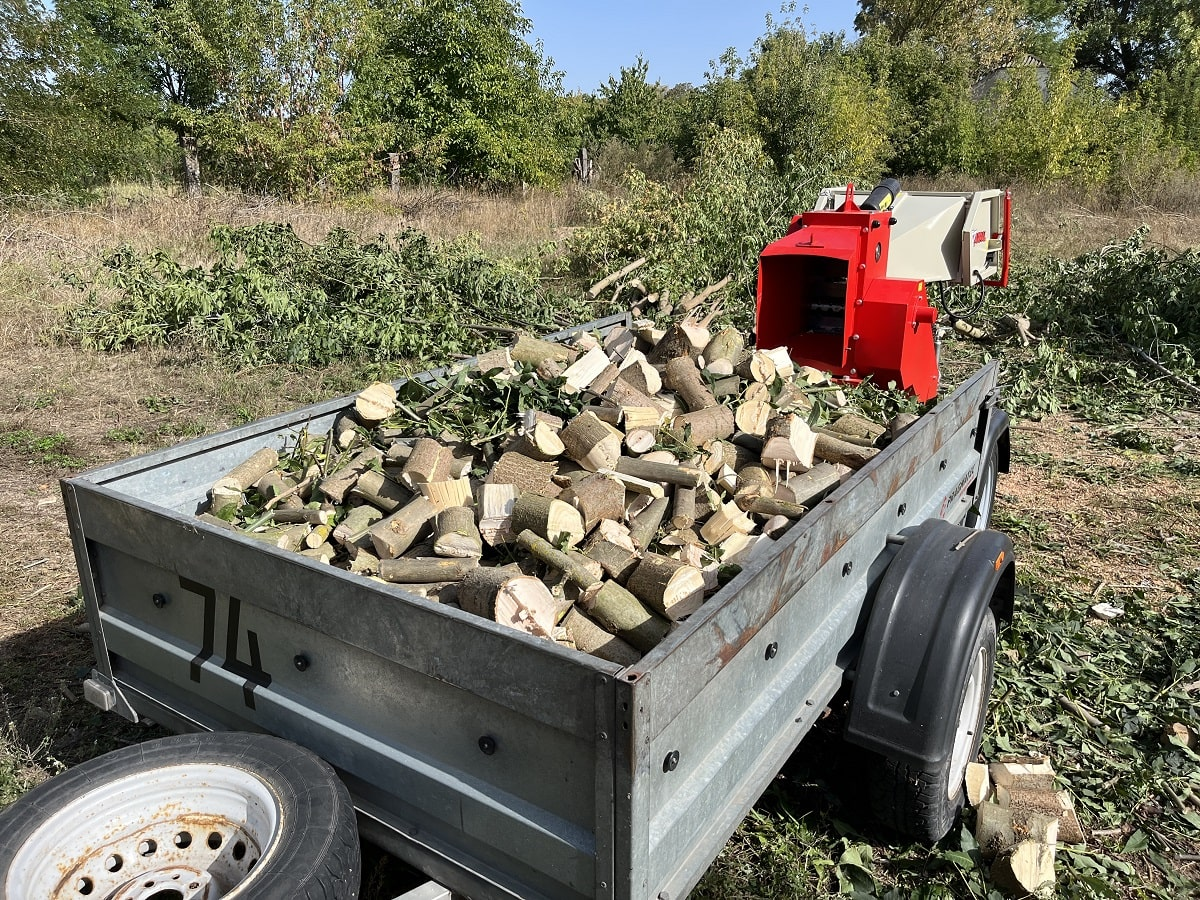
The difference is in the output. A shredder produces flat chips (5–60 mm), suitable for boilers, mulch, or materials like wood concrete. A chipper cuts branches into chunks (firewood).
3. Can it process wet wood?
Yes, our shredders work efficiently with both dry and fresh wood. High blade speed and optimal cutting angles prevent clogging.
4. What is the price of the equipment?
You can check current models and prices in the ARPAL wood shredders section. All models come with a 3-year warranty and service support.
5. When should you choose an industrial shredder?
Industrial ARPAL shredders are suitable for forestry, коммунальные services, and wood processing workshops. These machines have reinforced конструкции, hydraulic feeding systems, and can process trunks over 15–20 cm in diameter.