




In Ukraine, there is a ban on open burning of branches, leaves, dry grass, and other plant residues. This is not a recommendation. It is a rule, the violation of which entails a fine, and in some cases even criminal liability. How to legally dispose of garden waste — explained below.
Why you should not burn leaves and dry branches
Fire does not “clean” the area. It destroys it. The topsoil loses its fertility for 5–6 years, microorganisms responsible for natural regeneration die in the flames. The soil literally becomes depleted. Smoke from burning is a separate issue. Along with it, carbon monoxide, hazardous fine particles (the size of a human hair), and toxic compounds with carcinogenic effects enter the air. Inhaling polluted air can lead to acute poisoning, respiratory irritation, and genetic changes (mutations). According to the State Environmental Inspection, one kilogram of dry leaves produces 9 kg of carbon monoxide when burned. Why is it dangerous? It quickly binds with blood proteins, causing oxygen deprivation in the body. Hypoxia occurs, coordination is impaired, and in some cases, it can lead to fatal consequences. Another danger is uncontrolled fire. Dry branches and leaves ignite instantly and aggressively. One gust of wind and the flame can spread to a fence, outbuildings, dry vegetation, or nearby trees. This is no longer about “cleaning” the territory. This is a fire.
When burning wood waste is allowed
Plant residues may only be burned in certain household cases. This is not about disposal, but about using wood as fuel: for cooking in a stove or grill, heating homes, as well as within traditional rituals, for example, lighting a bonfire on Ivan Kupala. The location for such events must be approved by local authorities.
Legal liability and fines
For violating fire safety rules, you will have to pay a fine. Its amount depends on the scale of the damage caused and the place where the offense occurred. The monetary penalty for violators (on average) is 6,000 UAH. For burning stubble, meadows, pastures, vegetation, and fallen leaves – both on agricultural land and within populated areas (along roads, in parks), a fine ranging from 3,060 to 6,120 UAH is imposed. The rules are the same for fields and private yards. For officials, fines are two to three times higher.
In which cases the punishment is increased
- Burning resulted in damage or destruction of forests, green spaces, wild plants, or stubble within a populated area. In such cases, the fine will range from 91,800 to 153,000 UAH. Restriction or imprisonment for a term of 2 to 5 years is also provided.
- In cases where the fire led to mass death of animals, human death, or other serious consequences, liability becomes the most severe – from 5 to 10 years of imprisonment.
A fine is the result of a mistake. But it can be easily avoided.
What to do with branches and leaves if burning is not allowed
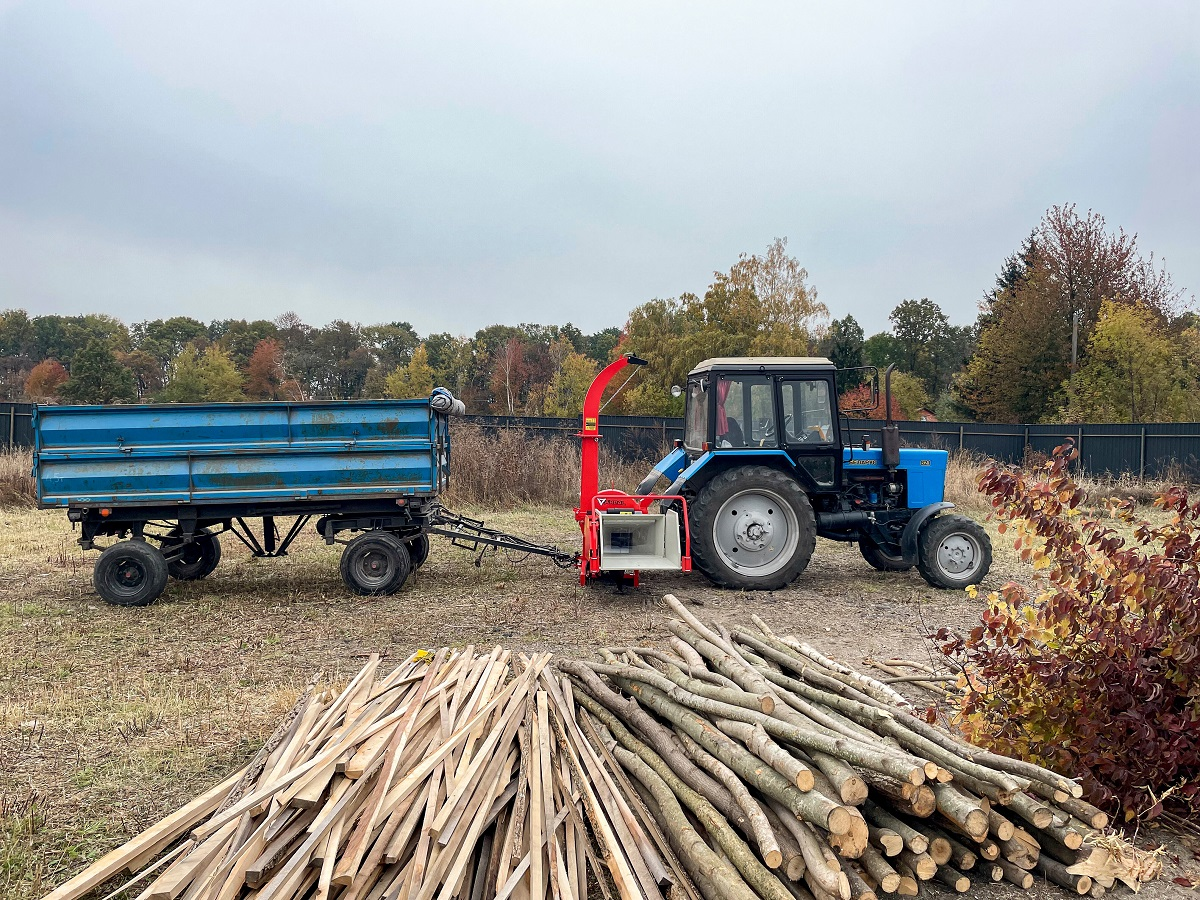
Garden waste does not have to be removed. It can be fully used on-site. Leaves, vines, stems – are composted. Thin tree branches are processed into wood chips, and thick ones into firewood. This is where proper and, most importantly, safe site maintenance begins. Without smoke. Without risks. Without financial losses.
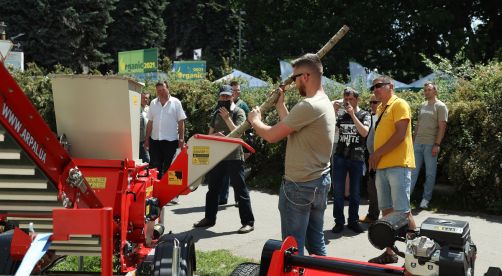
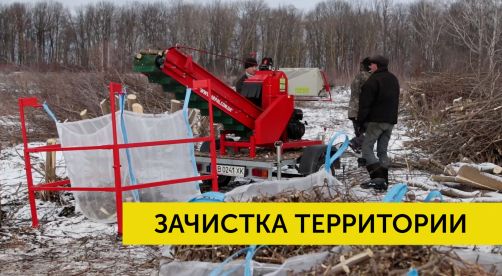
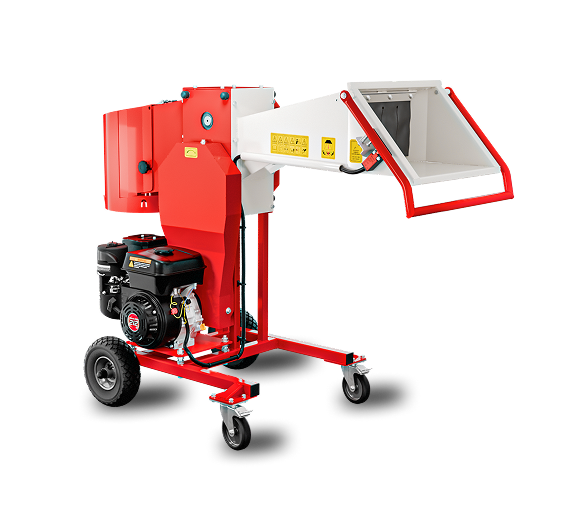
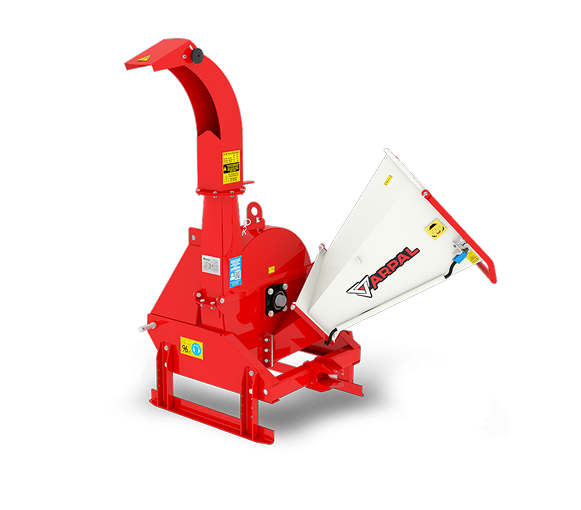
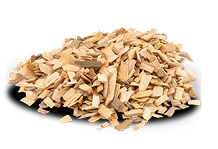
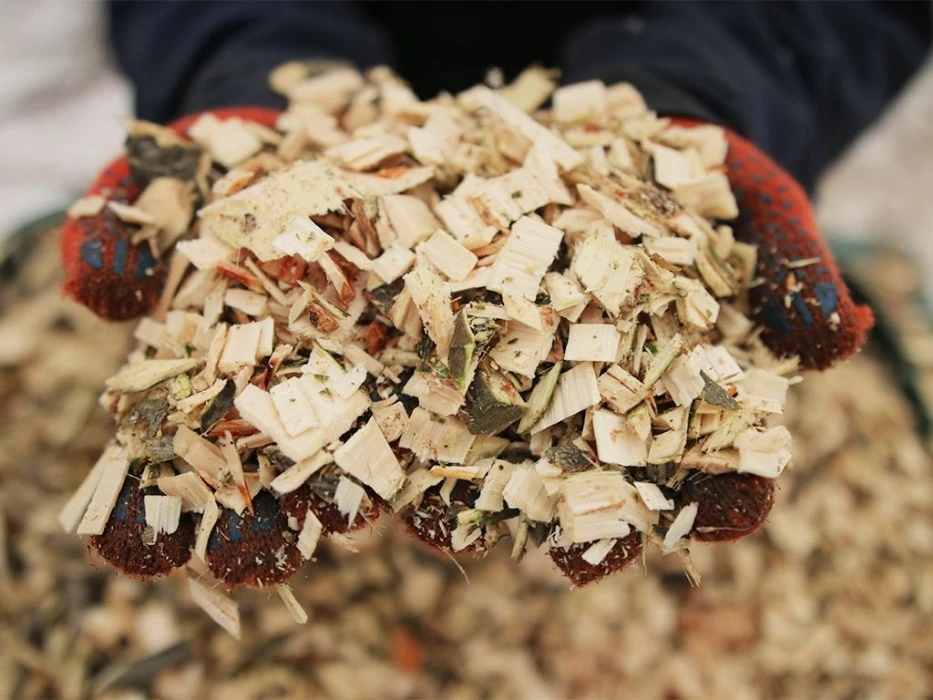
How to dispose of branches? With the help of a wood shredder, thin/medium branches can be processed into wood chips. The resulting material is suitable for mulching. This is an agricultural technique that helps retain moisture in the soil, suppress weed growth, and protect the ground from overheating or freezing. Such chips are also suitable for ignition of solid fuel boilers, fireplaces, stoves, and grills. In addition, they can be used to decorate flower beds, paths, and anything you like. The size of the resulting chips can range from 5 to 60 mm (depending on the selected shredder model).
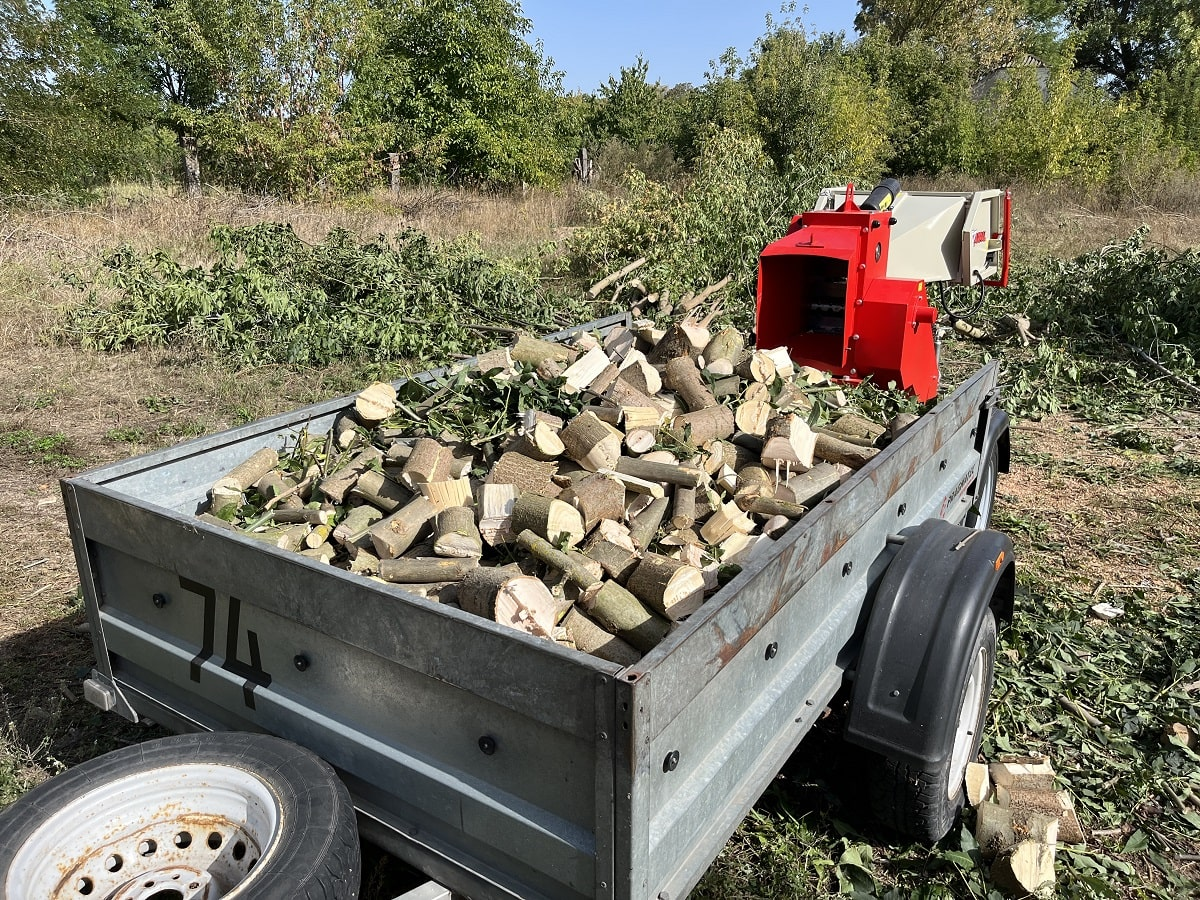
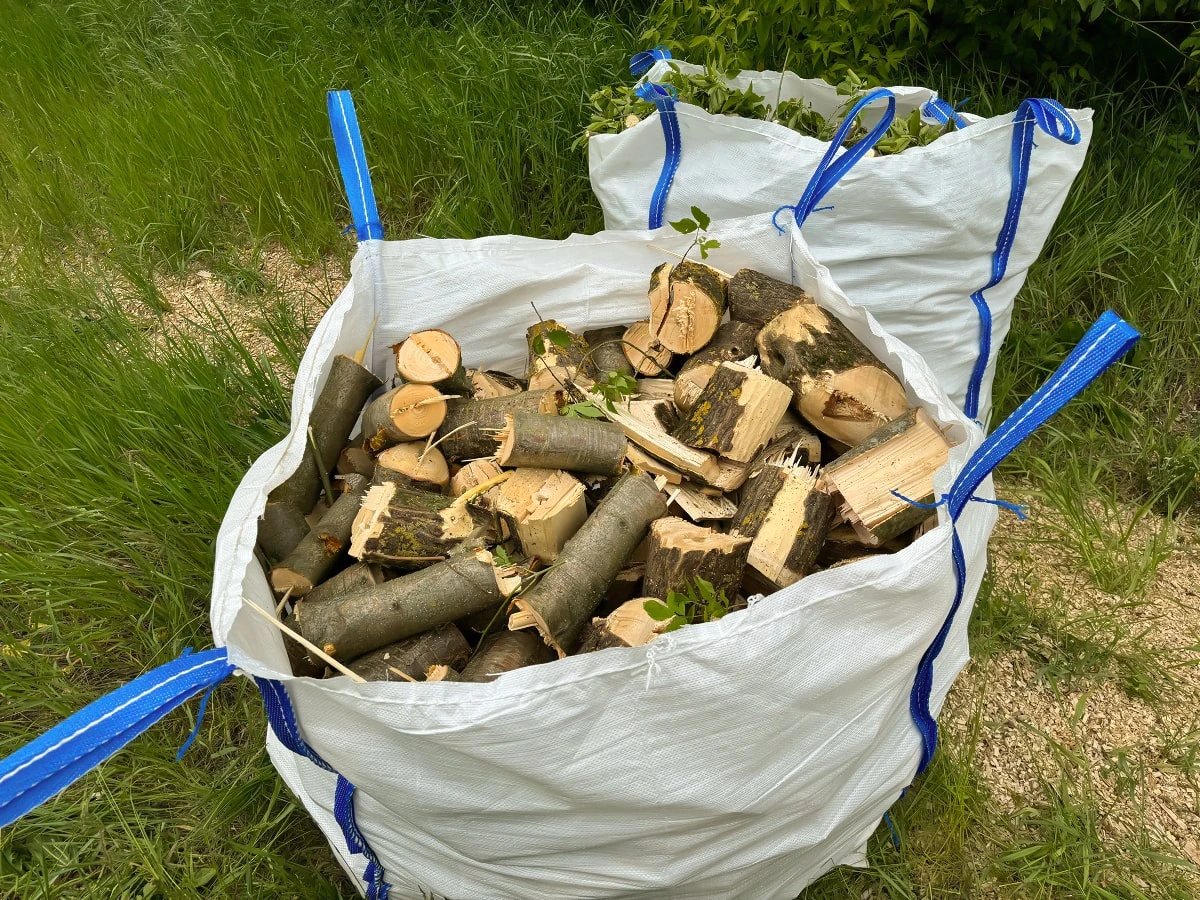
How to dispose of thick branches, shrubs, stems, and vines? For such tasks, a wood chipper is used. It instantly cuts branches into firewood. The size of the resulting logs depends on the diameter of the raw material you feed (as well as on the technical capabilities of the chipper). Shrubs, vines, stems, and other vegetation are significantly reduced in volume after processing. Such material is composted and added to the soil as organic fertilizer. There are standalone chippers with their own engine, as well as models connected to a tractor.
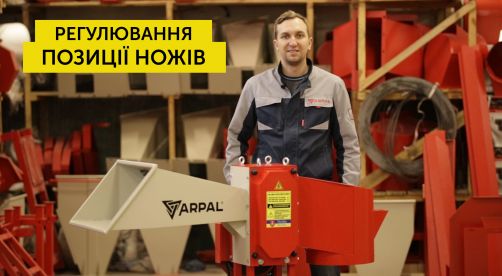
Watch the video on how wood chippers and wood shredders work.
What to do with fallen leaves? If placed in a pit under a tree or spread between shrubs, leaves act as a natural ground cover. This creates a barrier against weeds, drought, and freezing. As the leaves decompose, they return nitrogen, phosphorus, potassium, and many beneficial substances to the soil. These are the same microelements added as fertilizers. With such a leaf “blanket,” trees and shrubs get sick less often and better withstand drought and frost. And if you decide to compost, it is important to ensure sufficient air circulation for the leaves. Shredded branches, fallen leaves, and grass can also be sent to a specialized processing site. The choice is yours.
Frequently asked questions
Can you burn tree branches in a garden?
Burning plant residues in a garden, yard, behind a fence, or on vacant land is prohibited by law. A system of fines has been developed for violators.
What is the fine for burning leaves?
On average, the fine for burning leaves is 3,000–6,000 UAH. The amount depends on the level of damage caused and the place of the offense. For officials, the amount is significantly higher.
Why is it not allowed to burn fallen leaves?
1) Open fire creates a risk of wildfire. 2) Smoke from leaves contains toxic components. 3) Flames destroy the topsoil, and animals die along with it. 4) Overall environmental damage.