



 March 27, 2026
Spring in the garden begins with tree pruning and preparing the area for the new season. It is during this period that the crown shape, future harvest, and the overall health of trees for the entire season are formed. However, every homeowner knows that there is always more work than it seems at first glance. Piles of cut branches, trimmed shrubs, dry vines — all this waste needs not only to be collected but also quickly removed from the site. But before starting spring pruning, it’s worth understanding what tools and equipment are needed.
Tools for tree pruning
- Pruning shears are suitable for thin branches and small shoots. They are used to shape the crown and remove excess growth.
- Saws are used for thick and old branches that pruning shears cannot handle. It’s important to work carefully to avoid damaging the bark.
- Telescopic loppers help reach high and hard-to-access areas.
- Gloves and safety glasses are essential. Even a small splinter can ruin your entire working day.
Properly selected tools make garden maintenance easier and more predictable.
Garden equipment for processing branches
Order on the site depends on how the processing of branches and other plant residues after pruning is organized. So let’s look at equipment that helps quickly tidy up the garden.
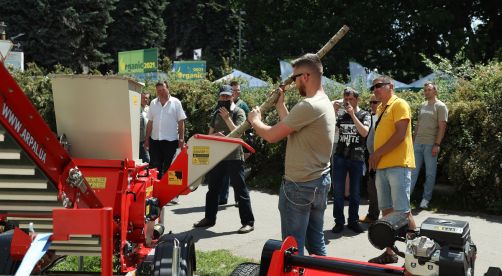
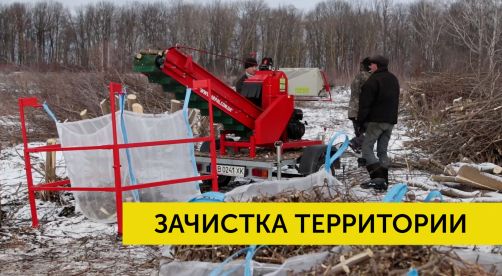
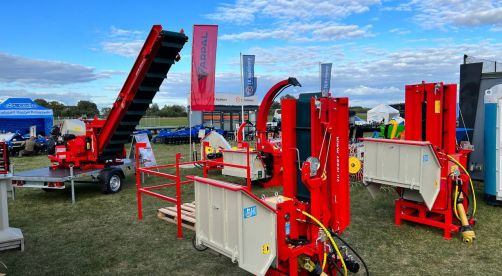
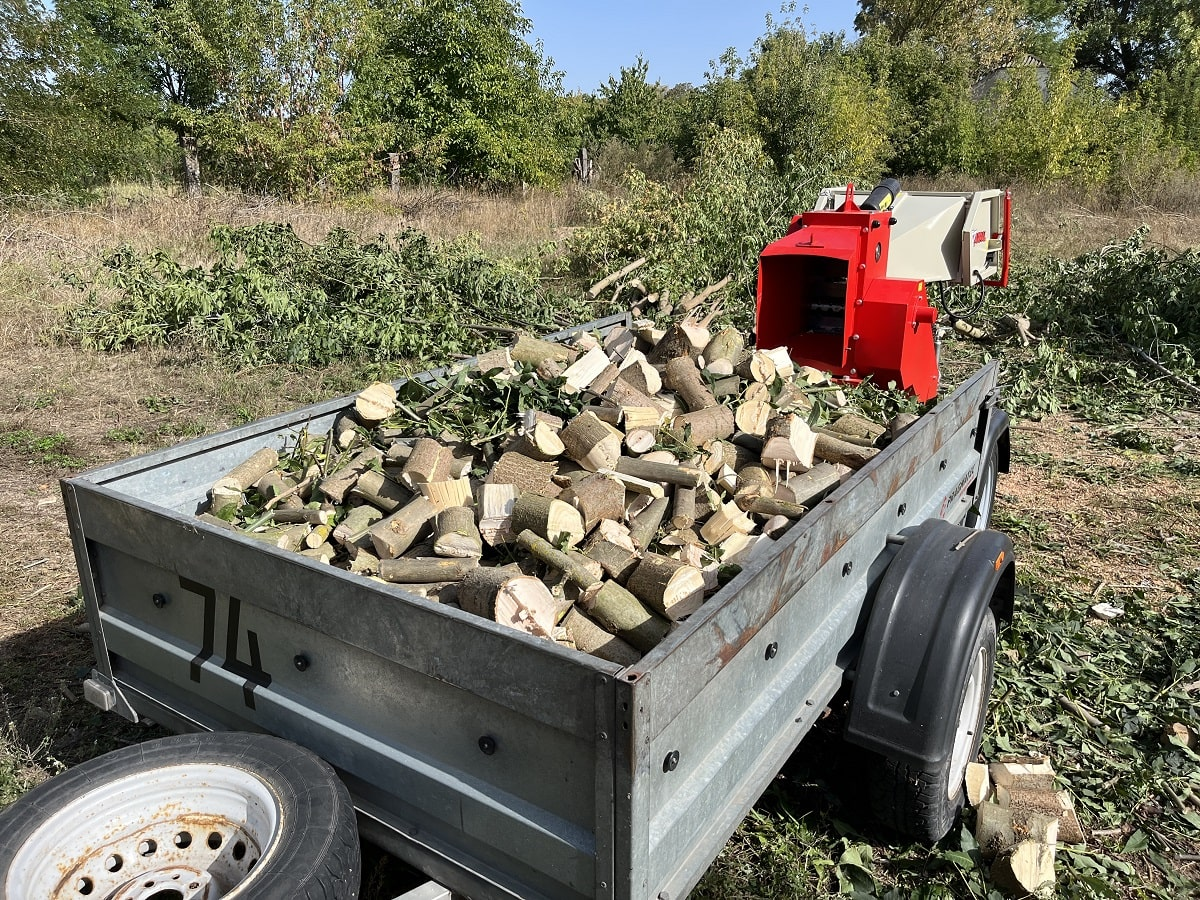
Wood chipper allows you to instantly turn cut branches into firewood — for a stove, fireplace, or boiler. Vines, leaves, and stems, after processing, become an organic base for composting. This is a practical solution when you need not just to clean up, but also to make use of wood and plant residues. Thanks to this equipment, there is no need for disposal or waste removal.
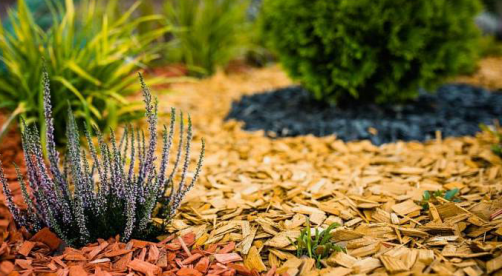
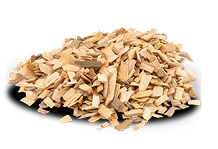
Wood shredder works differently: from processed branches, you get wood chips that can be used for mulching, compost, or as fuel. In other words, waste stops being a problem and becomes a useful resource.
Thus, spring tree pruning moves from the category of “cleaning” to the category of rational management. When you have a wood chipper or shredder, maintaining your site is no longer a problem.
When to start spring pruning
The timing of spring pruning depends not only on the calendar but also on the weather and the condition of each individual tree. If the tree has already entered active growth or temperature fluctuations are expected, it’s better to wait with pruning. The main guideline is the absence of frost and inactive sap flow.
- Early pruning usually takes place in early March, when the risk of cut surfaces freezing is minimal. It usually starts with young pome crops such as apple and pear trees.
- In late March to early April, pruning moves to pome and stone fruit trees such as cherries, sour cherries, and apricots. It is advisable to complete shaping before active vegetation begins, otherwise the plant will lose nutrients stored in the shoots.
- Late spring pruning occurs in May or early June. It is carried out during or after flowering. During this period, work is usually done on mature and old trees to limit crown size and control excessive growth. This pruning helps redirect the plant’s energy from growth to fruiting. Apricot trees are sometimes pruned even in summer, which helps shift the flowering period and reduce the risk of damage from spring frosts.
The approach to pruning also depends on the age of the tree. For young seedlings, the main task is to form the structure of the future crown. This includes removing lower shoots to clean the trunk. When the tree reaches the desired height, the top is shortened to stimulate the growth of side branches that will later become the main fruiting nodes. Mature trees require a different strategy focused on rejuvenation and maintaining vitality. It is important to regularly remove old and dense branches that block light and air from reaching the center of the crown. This clearing creates space for new shoots and prevents tree exhaustion, ensuring stable yields throughout the season.
Spring pruning of trees is not just plant care, but an investment in your future harvest and the health of your garden. The right timing and quality tools will help trees recover quickly after winter and reward you with lush flowering. Don’t be afraid to make the first cut — the key is to act confidently, follow the rules, and remember that the garden always responds to your care.
Frequently asked questions
What to do with branches after pruning?
The best solution is to process them immediately. Branches can be shredded and used as mulch, compost material, or fuel for stoves and fireplaces. A wood chipper or shredder allows you to quickly clean the area and turn plant waste into a valuable resource.
How to choose a branch shredding device?
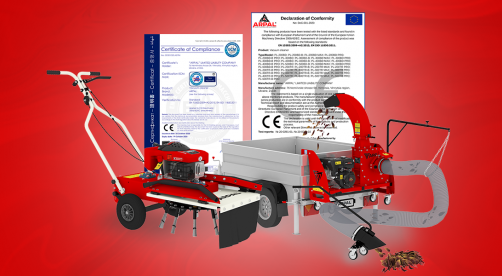
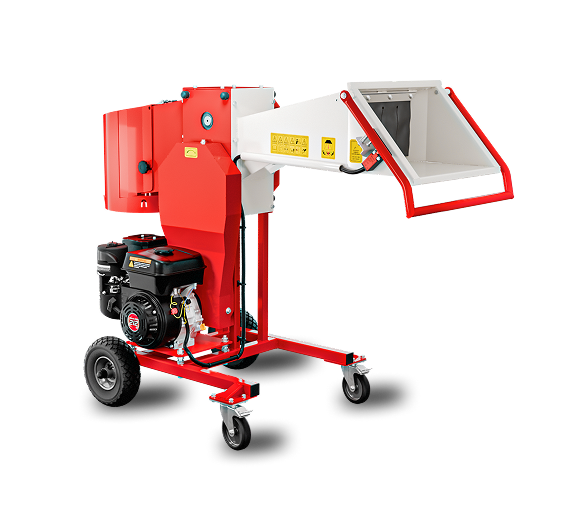
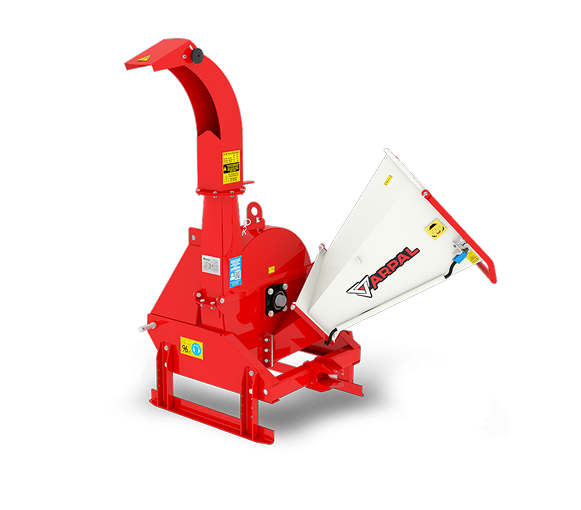
It all depends on the volume of work and the thickness of the wood. If after spring pruning you mostly have thin shoots, branches, and vines, a ARPAL Light wood chipper will suit you. For a large garden with old trees, it is better to consider a gasoline-powered ARPAL PRO, which easily handles branches up to 120 mm in diameter.